

English Verbs for Football
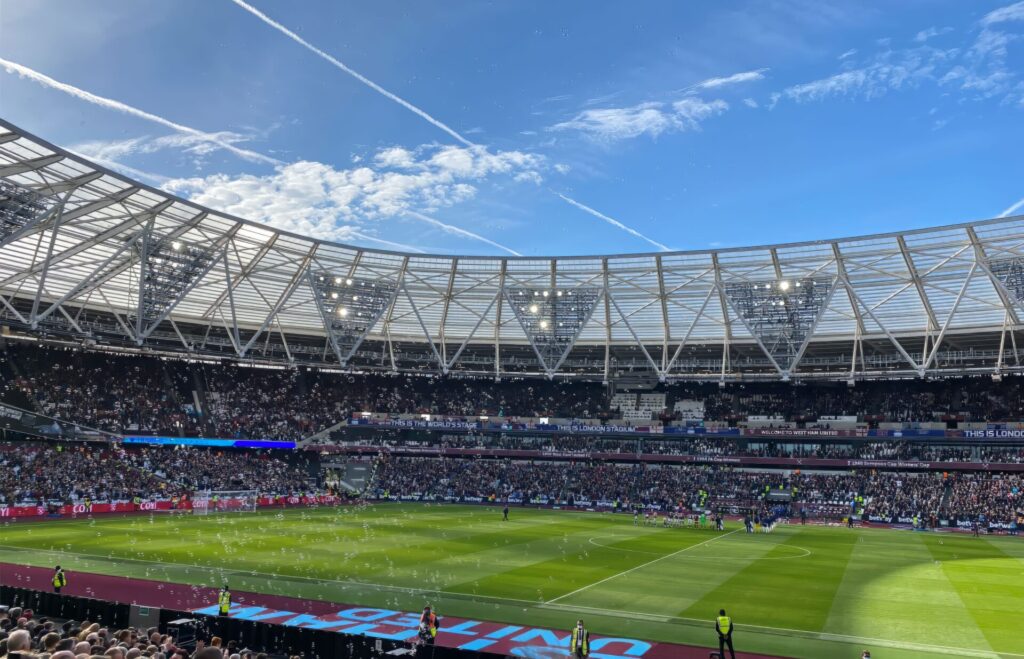
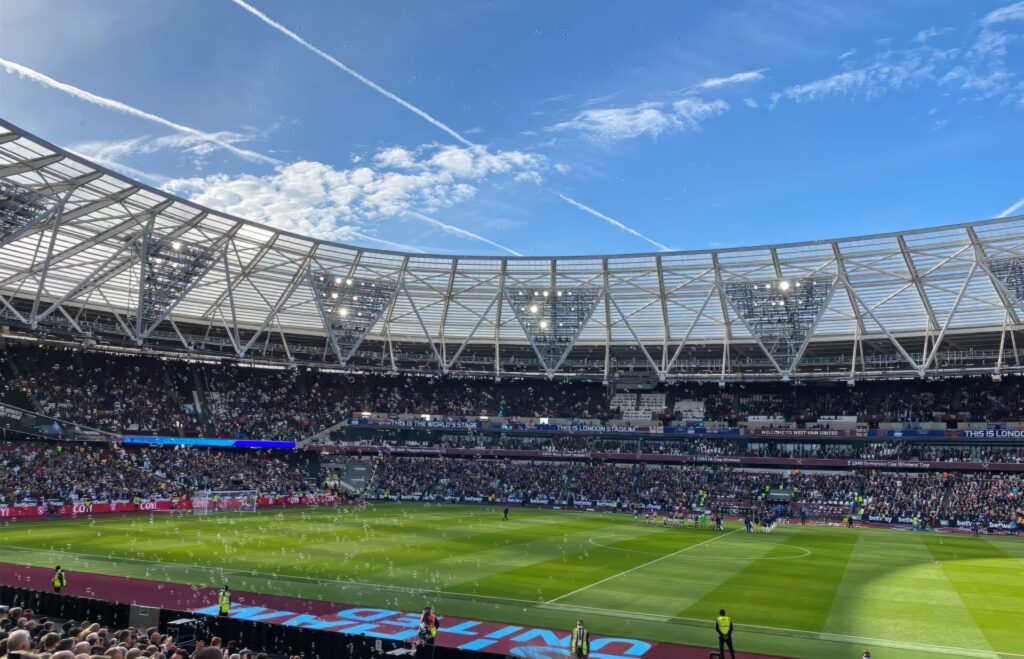
English verbs for football provide something that most grammar syllabuses struggle to provide: a naturally occurring, emotionally engaging context for every major tense in the language. Before a match, players prepare and managers plan: present tense and present continuous. During a match, players run, tackle, score and argue: simple present in commentary form. After a match, one team celebrated while the other was disappointed: simple past. Next week they will play again, the manager will need to decide, the injured player might return: future forms and modals. English verbs for football covers the full tense range in a sequence that children already understand because they already understand the structure of a football match.
This is a genuine instructional advantage that is easy to understate. Most English courses for young learners introduce tenses as grammatical concepts that need to be explained before they can be practised. English verbs for football lets children practise tenses in context before the concept has been explicitly named, because the football narrative supplies the temporal structure that tense is designed to express.
Why Thai Learners Specifically Benefit
English verbs for football is particularly valuable for children whose first language is Thai, for a specific structural reason. Thai does not mark tense through verb forms. Where an English speaker changes the verb itself to signal time, a Thai speaker adds a time word and leaves the verb unchanged. The concept of modifying the verb to indicate when something happened is therefore genuinely unfamiliar in a way that it is not for speakers of most European languages.
Football gives Thai learners of English a concrete, emotionally engaging framework for understanding why English verb forms change. A match that is happening now and a match that happened last weekend are described with different verb forms not because of an arbitrary grammatical rule but because English encodes the distinction directly in the verb. Krashen’s research on grammar acquisition confirms that grammatical structures acquired in meaningful communicative contexts are retained more reliably and transferred more spontaneously than those taught as explicit rules. English verbs for football provides exactly those meaningful communicative contexts in every session at ILC Hua Hin.
How The Tenses Are Practised In Each Session
A typical session at Premier Skills Sundays might include a match report in the past tense, which children read and then retell to a partner from memory. This retelling task produces past tense narrative under natural communicative pressure: the child is genuinely trying to communicate what happened rather than complete an exercise. A second activity might ask children to predict what happens in the next chapter of the Locomotive London story, producing future forms in service of genuine curiosity. A third might describe a player shown in an action illustration, producing present continuous.
English verbs for football in this format means children practise all three tense areas in a single session, each in a communicative context that makes the tense choice feel motivated rather than arbitrary. The distinction between “he runs” and “he ran” is not a rule to memorise. It is the difference between what is happening now and what happened last week, which the football narrative supplies concretely and emotionally. Full details of the grammar curriculum are on the Premier Skills Sundays page.
The Vocabulary That Comes With The Verbs
The english verbs for football that children acquire through Premier Skills Sundays are not specialist football vocabulary with limited transfer. To run, tackle, score, celebrate, argue, decide, prepare, defend, attack, improve, support and compete are high-frequency action verbs used across all registers of English. The football context provides the communicative urgency that makes them stick, and they transfer to non-football contexts because the verbs themselves are general rather than specialist.
Cambridge’s analysis of CLIL vocabulary development confirms this transfer effect: vocabulary acquired in content-based contexts is retained at higher rates and used more spontaneously in new contexts than vocabulary acquired through list memorisation. English verbs for football acquired at Premier Skills Sundays therefore build a verb vocabulary that children carry into every English context they encounter.
HATRIQA’s graded materials introduce and recycle verb vocabulary across the eight-week course in a deliberate sequence. Take the free English level test and book a consultation before the intake begins. For school groups, the Premier Skills Camp and ILC residential English tours are available. Contact ILC directly.