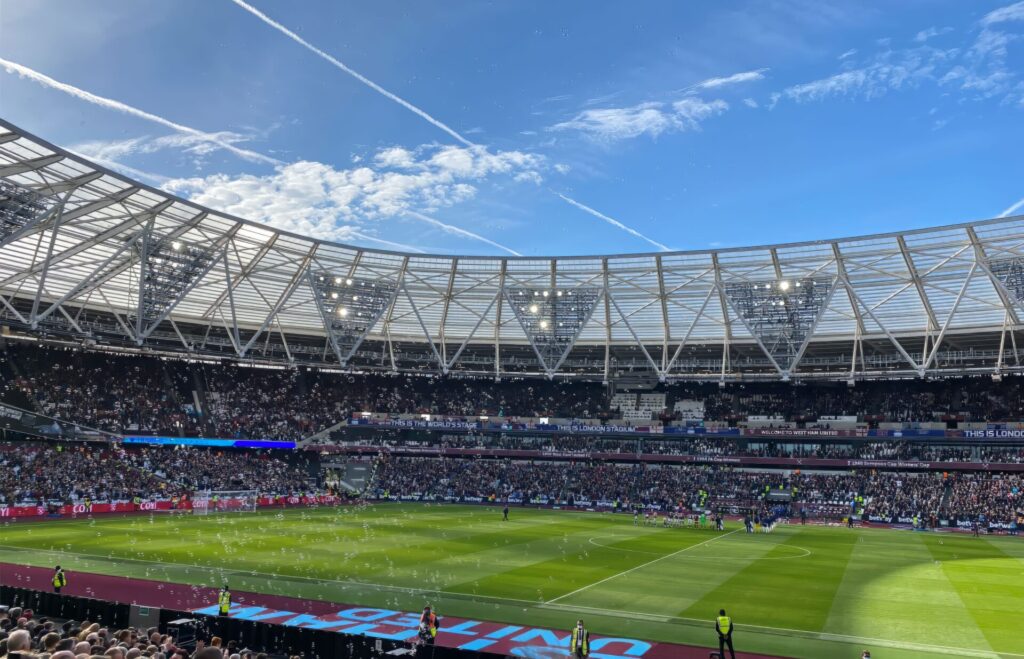



Football Stories for Kids
Football stories for kids solve a reading problem that has nothing to do with reading ability, because most children who hate reading are not children who cannot read. They are children who have never yet found a text they cared enough about to follow to the end, and without that experience reading stays an obligation rather than something they would choose. The solution is not more reading instruction. It is better material selection. Football stories for kids provide the material that changes the relationship, because a child who already cares about football arrives at a football story with the emotional investment already in place before they open the first page.
This matters more than it might first appear. A child who reads because they want to find out what happens processes more vocabulary, more grammar and more sentence structure per hour than a child who reads because they were told to. The quality of the reading experience in terms of language acquisition is determined not by the difficulty of the text but by the level of genuine engagement the reader brings to it.
What Actually Makes A Child Stop Reading
Every reluctant reader gives up at the same moment: the point where the effort of continuing exceeds the interest in what comes next. For a child who already understands the tension of a penalty shootout, a football story that builds towards one never reaches that point. For the same child handed a passage about a family picnic or a fictional shopping trip, it reaches that point on the first page, sometimes on the first paragraph.
Football stories for kids address this at the most fundamental level by ensuring the topic is already interesting before the reading begins. The child does not need to be persuaded to care. They already care. The story just needs to be good enough to sustain that care, and football stories for kids at Premier Skills Sundays are specifically designed and graded to do exactly that. Research from Lexia Learning on reluctant readers identifies prior connection to the topic as the single most reliable predictor of voluntary sustained reading, which is in turn the strongest predictor of reading development.
Why The HATRIQA Series Works Differently
Most English reading materials for young learners are organised as anthologies: a series of unconnected passages at each level, each introducing new vocabulary and grammar through a new scenario with new characters. The problem with this format is structural. A child who finishes one passage has no reason to begin the next one except that they have been told to. There is no narrative thread, no character to follow, no question left unresolved.
Football stories for kids in the HATRIQA series used at Premier Skills Sundays work on the opposite principle. The same fictional club, Locomotive London, provides the setting for every passage. The same characters appear, develop and face new challenges across the full eight-week course. A child who wants to know whether a player makes the first team in week six has a reason to read the passage in week two that establishes the character’s situation. Football stories for kids in this serial format produce the one thing no reading instruction can manufacture: a genuine reason to come back next week.
HATRIQA’s full method is documented on their website and is worth examining before enrolling, because it explains the pedagogical reasoning behind the serial structure and the vocabulary control that makes the stories accessible without being easy.
What Parents Can Do Between Sessions
The most effective thing a parent can do between Premier Skills Sundays sessions is not to tell their child to read more. It is to ask their child what happened in the story. That question gives the reading a communicative purpose that extends its value beyond the session itself. A child who has to explain the plot to a parent has a reason to read carefully and remember details, both of which produce significantly more language acquisition than reading the assigned passage and stopping.
Asking follow-up questions such as who is your favourite character and why, or what do you think will happen next, gives the football stories for kids an ongoing life in the household that reinforces everything happening in the Sunday sessions. The Open University’s research on reading motivation confirms that children who discuss what they read at home show significantly faster reading development than those who read in isolation, regardless of the amount of time spent reading.
Getting Started
Football stories for kids at Premier Skills Sundays are available to any family in Hua Hin with a child aged seven to nine. Parents book directly at ILC Hua Hin without needing to be part of a school group. Take the free English level test to confirm the right starting level, then book a consultation to discuss the current intake.
For school groups looking for a residential version of football-based English, the Premier Skills Camp and ILC residential English tours extend the same reading approach across a full programme. Contact ILC directly with any questions.