


 How English Test Scores Support Immigration and Visa Decisions
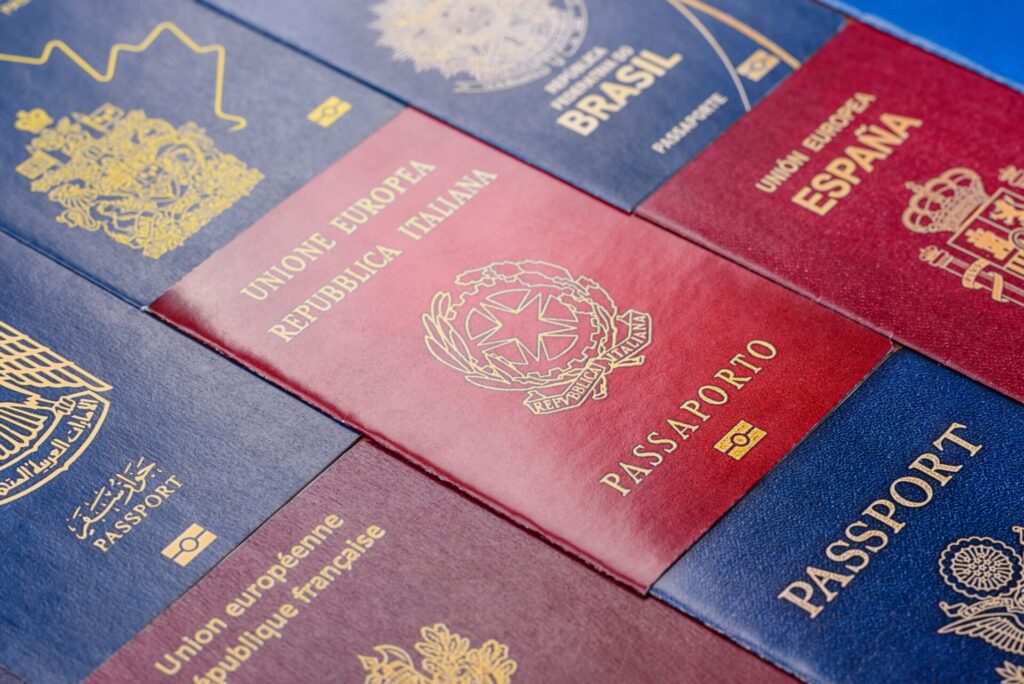
IELTS for Visa applications has become a formal requirement in many modern immigration systems, where governments rely on standardised English testing to assess readiness for work, study, and long-term settlement. For applicants to countries such as the United Kingdom, Denmark, and the United States, IELTS provides recognised proof of language ability that immigration authorities can evaluate consistently. Clear guidance on how IELTS is used for UK visa routes is published by test authorities
IELTS tests for UK Visas and Immigration,
while wider analysis of how language requirements are tightening within immigration policy has been reported by the international press
Financial Times – UK immigration reforms and language requirements.
IELTS for Visa applications provides official proof of English ability
IELTS for Visa applications is accepted because it offers immigration authorities an externally assessed, internationally recognised measure of English proficiency. Governments cannot rely on self-declared language ability or informal interviews when processing thousands of visa applications. They require a consistent benchmark that can be applied fairly and transparently.
IELTS assesses Listening, Reading, Writing, and Speaking under secure test conditions. Scores are aligned to internationally recognised language frameworks and are easy for visa officers to interpret. This reliability is why IELTS is embedded directly into visa systems rather than treated as optional supporting evidence.
For applicants, meeting the IELTS requirement early removes uncertainty and reduces the risk of delays or refusals caused by insufficient language documentation.
Structured preparation is particularly important for visa applicants working under strict timelines or fixed application windows.
IELTS Preparation & Coaching Hua Hin
IELTS for Visa applications in the United Kingdom
IELTS for Visa applications is formally recognised by UK Visas and Immigration (UKVI). Applicants for work visas, family visas, settlement, and certain study routes must provide evidence of English ability using an approved test.
The UK uses specific IELTS test types designed for immigration purposes, ensuring that test format and security meet government standards. Taking the wrong test, even with a strong score, can invalidate an application.
Official information on which IELTS tests are accepted for UK visa categories is available here:
IELTS tests for UK Visas and Immigration
Recent policy changes show that English requirements are becoming more prominent within the UK immigration system. Language ability is no longer a minimal hurdle but a key eligibility condition, particularly for skilled worker and settlement routes.
IELTS for Visa applications in Denmark
IELTS for Visa applications is also relevant in Denmark, especially for residence permits, family reunification, and study pathways. Denmark places strong emphasis on integration, and language ability is viewed as essential for long-term settlement and participation in society.
Applicants may be required to demonstrate English proficiency as part of their residence or work permit conditions. IELTS is recognised as acceptable evidence in specific contexts and is commonly used by applicants entering higher education or professional routes.
Official guidance on language conditions is provided by Danish immigration authorities here:
Danish Immigration Service – Language conditions
For students, IELTS often satisfies both university admission requirements and visa conditions, allowing one test result to support multiple stages of the application process.
IELTS for Visa applications in the United States
IELTS for Visa applications in the United States operates differently from European systems, but it remains highly relevant. While IELTS is not mandated for all visa categories, it is widely accepted by universities, professional bodies, and employers whose sponsorship supports visa applications.
For student visas, English proficiency is a core part of university admission decisions, which directly affect visa eligibility. For work-based visas, IELTS can strengthen applications by demonstrating readiness to operate in English-speaking professional environments.
Official information on how IELTS is recognised in the US context is available here:
IELTS in the USA
In practice, IELTS often acts as indirect but influential evidence supporting broader visa and sponsorship decisions.
IELTS for Visa applications reduces risk for immigration authorities

From a government perspective, IELTS for Visa applications reduces risk. Language ability affects employability, compliance with visa conditions, and social integration. Applicants who cannot communicate effectively are statistically more likely to face difficulties after arrival.
By requiring IELTS, immigration authorities assess readiness before approval rather than dealing with problems later. This approach explains why English testing is increasingly placed early in the visa process.
For applicants, meeting the IELTS requirement early prevents refusals, reapplications, and unnecessary delays.
IELTS for Visa applications requires the correct test and score
IELTS for Visa applications is not one-size-fits-all. Different countries and visa categories require different test types and minimum scores. Academic IELTS, General Training IELTS, and UKVI-approved IELTS tests serve different purposes.
Choosing the wrong test or aiming for the wrong score can invalidate an application, regardless of overall English ability. Understanding visa-specific requirements before preparation begins is essential.
Structured programmes help applicants align preparation with the exact visa pathway they are pursuing.
IELTS for Visa applications benefits from targeted preparation and feedback
IELTS for Visa applications often carries high stakes. Missing a required score can delay migration plans by months or even years. For this reason, preparation should be focused, realistic, and feedback-driven.
Many visa applicants find that Writing and Speaking present the greatest risks. Individual correction helps identify recurring errors, improve clarity, and ensure responses meet examiner expectations.
Targeted support is particularly valuable for professionals and adult learners who already use English but struggle to meet formal assessment criteria.
IELTS for Visa applications supports long-term migration goals
IELTS for Visa applications is rarely a one-time requirement. In many countries, English evidence is required again for settlement, permanent residence, or citizenship. Achieving a strong IELTS score early can support multiple stages of the migration journey.
This makes IELTS a strategic investment rather than a single-use exam. The language skills developed during preparation also support real-world communication after arrival, improving long-term outcomes.
IELTS for Visa applications and local preparation support
IELTS for Visa applications is most effective when preparation is guided by experienced teachers who understand both the exam and immigration requirements. Local support helps applicants avoid mistakes, manage timelines, and prepare efficiently.
ILC Hua Hin supports learners preparing for IELTS with visa-related goals, helping them align test preparation with immigration pathways and long-term plans.
For learners who prefer guidance in Thai alongside English instruction, local support is available here:
Thai Version