
A Trinity GESE Camp for Thai Secondary Students
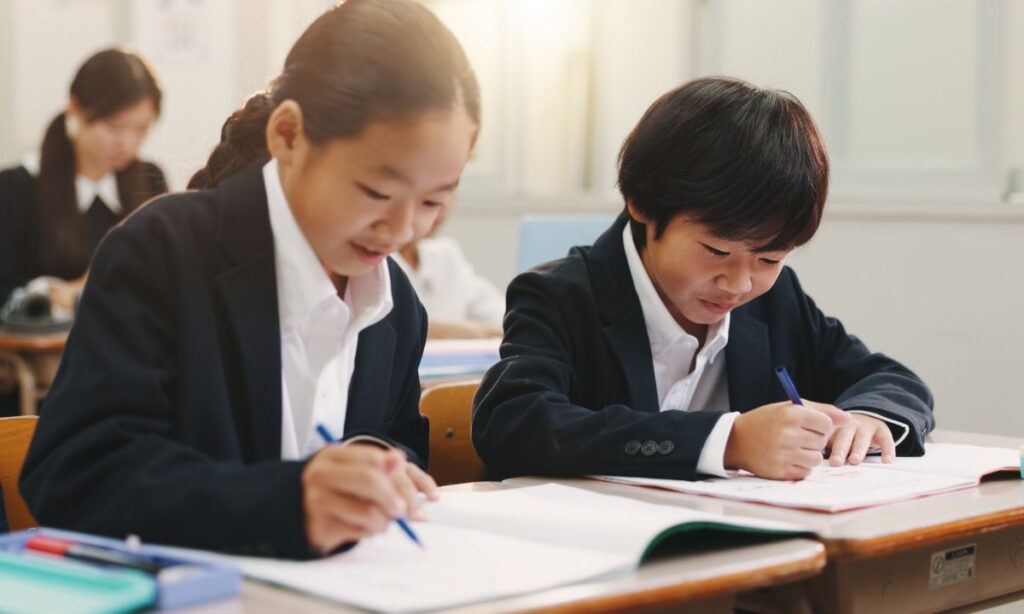
In English language education, class size is discussed as a quality indicator when it should be discussed as an operational requirement. The difference between twelve students and thirty is not a matter of comfort or individual attention as optional extras — it is a structural difference in what is possible in a session. In a class of thirty students, a student who has produced the same tonal error on a particular speaking function for six months can sit through every session without it being addressed. In a class of twelve on a Trinity GESE camp for Thai secondary students in Hua Hin, that error is heard in the first session, explained with precision by a native teacher who has the English proficiency to articulate what the student’s production is doing wrong, and practised until it is corrected.
This is the operational reality that the twelve-student cap at ILC Hua Hin produces. Not a premium experience — a different kind of learning entirely.
What the Native Teacher Contributes to a Twelve-Student Session
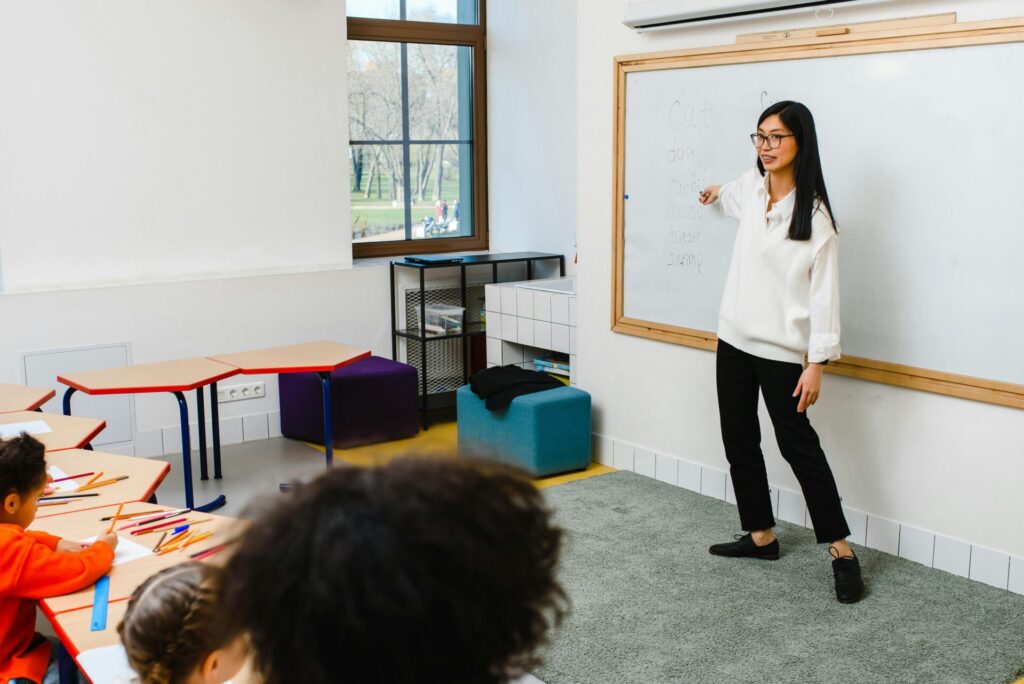
The native English teacher in a class of twelve on a Trinity GESE camp for Thai secondary students in Hua Hin is not delivering a presentation. They are having twelve individual conversations in the context of a group session — tracking each student’s specific communicative habits, adjusting the follow-up questions for each student’s level and development, and providing the real-time corrective feedback that changes how students speak rather than simply reminding them to speak better.
The GESE examination is conducted in person and consists of an unscripted one-to-one conversation with a Trinity examiner who adapts their test plan around the candidate’s input to elicit target language and communicative skills. The native teacher in a small group session at ILC Hua Hin replicates this format every morning — unscripted, genuinely responsive, and adapted to each student’s production — so that when students sit with the Trinity examiner for the real assessment, the format is familiar and the communicative habits are already established. chula
How the Afternoon Programme Complements the Small Group Format
The maximum-twelve class size makes the morning sessions deeply individual. The afternoon cultural visits make them genuinely communicative. A Trinity GESE camp for Thai secondary students in Hua Hin works because the combination of small group instruction and real-world communicative experience produces what neither can produce alone — students who have the linguistic tools from the morning and the genuine communicative confidence from the afternoon.
The visit to Rajabhakti Park — the vast memorial park outside Hua Hin featuring enormous bronze statues of Thailand’s seven ancient kings — provides the kind of historically rich and visually striking afternoon experience that generates the extended descriptive and opinion-giving English that Trinity GESE Grade 4 specifically rewards. Students describe the statues, discuss the historical figures they represent, express opinions about the park’s purpose and scale, and respond to the native teacher’s follow-up questions in the extended, reason-giving English that the morning sessions have been developing.
This integration of morning instruction and afternoon cultural experience is what distinguishes a Trinity GESE camp for Thai secondary students in Hua Hin from either a classroom preparation programme or a general school trip with some English activities. It is both things simultaneously, and it is more effective than either would be separately.
Choosing the Right Duration for Your Group
Schools can adapt the length of a Trinity GESE camp for Thai secondary students in Hua Hin to their budget — three days, five days, or a full week — without losing the core quality of the programme. ILC Hua Hin structures every duration so that the most important morning skills and the most examination-relevant afternoon destinations are prioritised regardless of how long the group stays.
Find out about Prachuap Khiri Khan province and review the Trinity GESE Grade 4 teacher guide before making your booking decision.
Find out about ILC Hua Hin as a centre and see what makes it different from other residential English providers in the area. View the ILC Trinity GESE page for full details of the qualification and how it is delivered. Speak to our team to discuss what a Trinity GESE camp for Thai secondary students in Hua Hin would look like for your school.