
After School English Club in Hua Hin
Parents ask us this all the time. Not because they are worried — usually because their child has come home talking about the session and they want to understand what actually happened. What does an after school English club in Hua Hin look like from the inside? What is a child actually doing for those 75 minutes, and how is it different from what happens at school?
The honest answer is that it depends on the week, because the story changes every single time. But the shape of what happens — the rhythm of a session, the kinds of activities, the way the room feels — stays consistent. And it looks nothing like a standard English lesson, which is precisely the point.
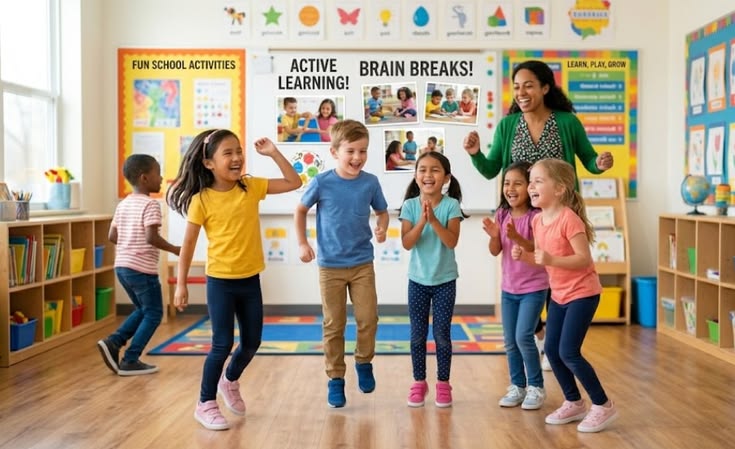
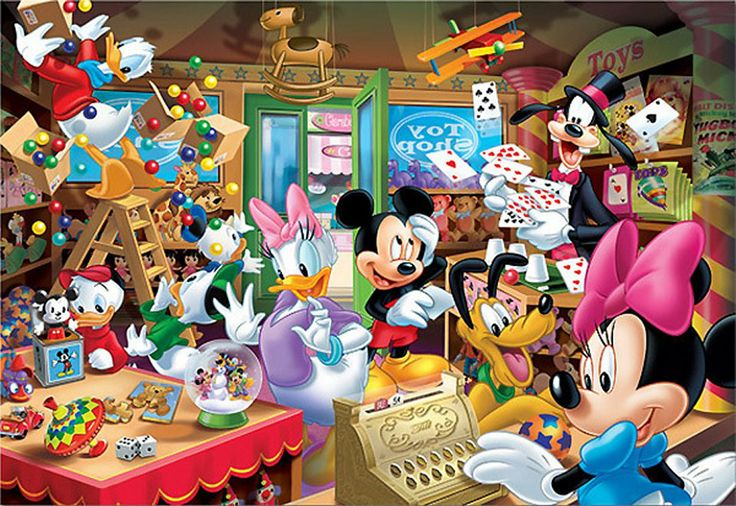
A child arriving at this after school English club in Hua Hin walks into a room that has been set up around that week’s Disney story. Character resources, visual prompts, and storytelling props are already in place. The horseshoe seating layout means the moment they sit down, they are facing the other children and both teachers. The session begins with the story — not with a grammar explanation, not with a vocabulary list, but with the world of the film itself — and from that moment, every minute is built around speaking.
The Opening: Getting Into the Story
The first part of every after school English club in Hua Hin session is about immersion. The lead teacher introduces that week’s Disney story, the characters, and the world. Children are asked what they already know. They are invited to describe what they see, predict what might happen, and respond to questions about the characters and their choices.
This is not passive listening. From the very first minutes, children are using language. Why do you think Simba did that? Can you describe what Elsa looks like? What would you do if you were Woody? These are not trick questions — they are invitations to speak, and they are deliberately designed to be questions that any child can answer in their own way, at their own level, without fear of getting it wrong.
Research on storytelling and language acquisition consistently shows that narrative context accelerates vocabulary development and speaking confidence in young learners far more effectively than decontextualised drilling. Every session in this after school English club in Hua Hin uses that research from the first minute to the last.
The Middle: Speaking Activities, Games, and Partner Work
The heart of every session is the speaking activity block, and this is where the structure changes most from week to week. Depending on the story theme, children might be working in pairs to describe a scene, taking turns to retell part of the story in their own words, playing a character card game that requires them to ask and answer questions, or acting out a short role play based on a key moment in that week’s film.
The classroom assistant moves through the group during this section, supporting individual children, prompting the quieter ones, and making sure every pair is genuinely communicating rather than sitting in silence. The lead teacher manages the pace, introduces new vocabulary in context, and keeps the energy and focus of the room moving forward.
The English Speaking Board has long advocated for this kind of structured spoken language practice in the early years, arguing that the ability to communicate clearly is a foundational skill that shapes every other area of a child’s development. This after school English club in Hua Hin is built entirely around that principle, and every activity in the session is designed to create genuine communicative purpose rather than mechanical practice.
The Final Section: Bringing It Together
Every session ends with a group activity that draws the whole class back together. This might be a shared retelling of the story, a group discussion about the characters and their choices, a simple performance piece, or a reflection on what the children enjoyed and what they found difficult. The closing section matters because it gives every child the experience of speaking in front of the whole group — not in a pressured or performative way, but as a natural part of how the session comes to an end.
Over eight weeks, that small moment of group contribution builds into something significant. Children who arrived nervous about speaking in front of others leave the programme noticeably more willing to put their hand up, more willing to volunteer an opinion, and more willing to say something even when they are not completely sure it is right.
You can read more about the full programme structure on the Disney English Club page and find out how this after school English club in Hua Hin sits alongside other ILC programmes on the English Explorers page.
The Disney Passport
Every child receives a Disney Passport at the start of their first cycle. The passport is completed over the eight weeks — a record of the stories covered, the characters met, and the activities completed. Children genuinely want to fill it. It becomes a source of pride, a tangible record of what they have achieved, and something they show their parents at the end of every session with a level of enthusiasm that no certificate has ever produced.
Cambridge Assessment English research on motivation in early language learning identifies visible progress markers as one of the most effective tools for sustaining engagement over time. The Disney Passport does exactly that — it makes progress visible, personal, and exciting in a way that a test score never could.
How to Book
This after school English club in Hua Hin runs after school during the week and on Saturdays, with a maximum of eight children per class. Visit the ILC Hua Hin page for full details, or go straight to the pre-application form to secure your child’s place before the next cycle fills.
The British Council’s guidance on young learner English identifies active participation and genuine communicative purpose as the two most important conditions for early speaking development. Both are present in every single minute of every session at this after school English club in Hua Hin. That is not an accident — it is what the programme was built to deliver.