
Why Small Group English Classes for Kids in Hua Hin Get Better Results
There is a number that comes up repeatedly in research on spoken language development in young children. It is not twenty. It is not fifteen. The number that appears most consistently when researchers look at environments where children actually develop speaking confidence is somewhere between six and ten. Eight sits right in the middle of that range, and that is exactly why every class at Disney English Club is capped at eight children.
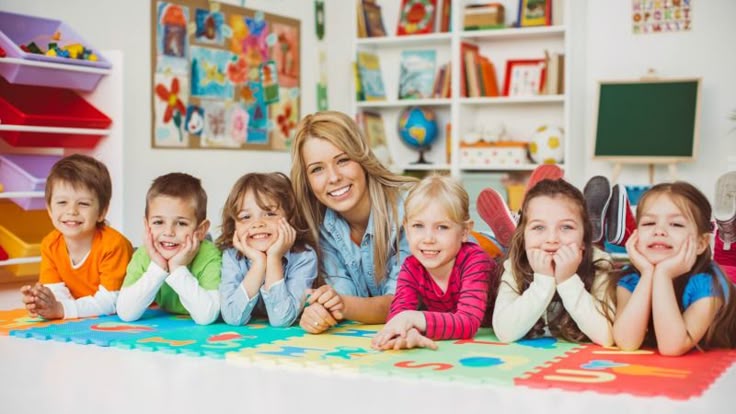
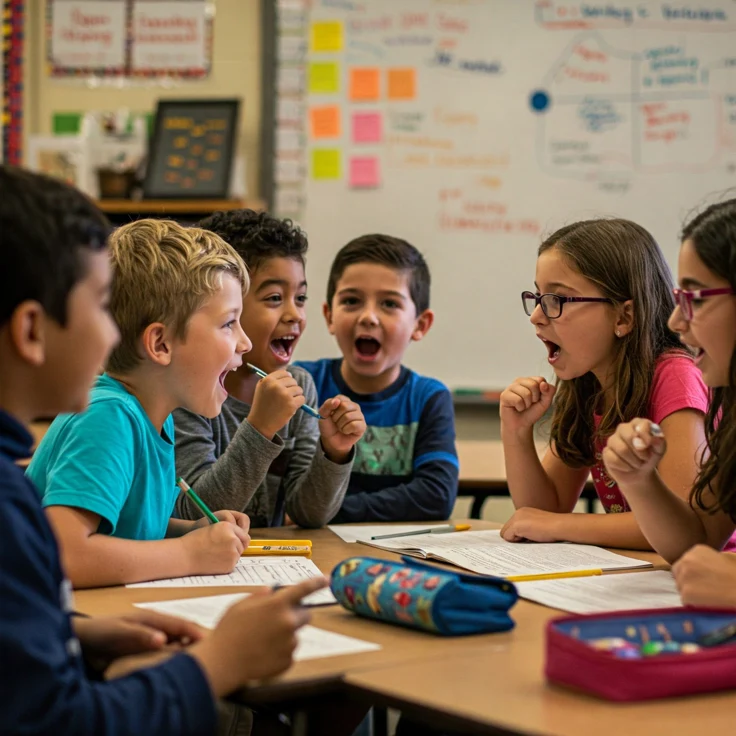
Small group English classes for kids in Hua Hin work differently from large classes in ways that go well beyond the obvious. Yes, the teacher can give more individual attention. Yes, the room is less chaotic. But the deeper reason is structural. In a small group, every child is accountable for participating. There is no back row. There is no way to be invisible. Every child speaks, every child is asked questions, and every child contributes to what the group creates together.
In a class of twenty-five, a child can go an entire lesson without being asked a single question. They can sit quietly, appear to be listening, and contribute nothing. Nobody notices, and the child learns something far more damaging than anything a grammar test could measure — they learn that staying quiet in English is a viable strategy.
What Two Teachers and Eight Children Actually Makes Possible
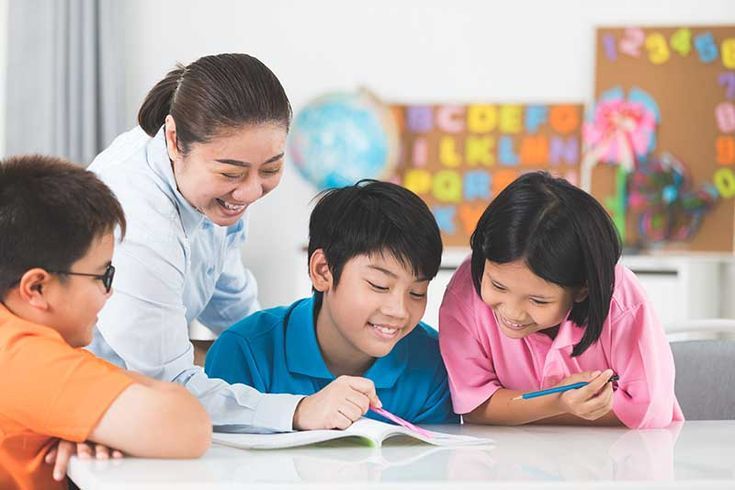
Every session at Disney English Club has one bilingual lead teacher and one classroom assistant. In a large class, two adults are barely enough to manage the room. In small group English classes for kids in Hua Hin with eight children, two adults means something completely different — it means genuinely individual attention for every child, every session, without exception.
The lead teacher runs the session, manages the pace, and leads the speaking activities. The classroom assistant moves through the group, supports children who are hesitating, prompts the quieter ones, and makes sure that no child sits on the outside of what is happening. Between them, they can see every child clearly and respond to what each individual needs in the moment — not at the end of the lesson, not in a written comment, but right then, while the session is still alive.
Voice 21’s published research on oracy in education is consistent on the importance of adult facilitation in spoken language development. It is not enough to put children in a room together and hope that conversation happens naturally. The quality of adult support — the prompts, the questions, the scaffolding — determines whether a child develops genuine communication skills or simply becomes better at staying quiet.
The Horseshoe Layout and Why It Matters
The physical arrangement of small group English classes for kids in Hua Hin at Disney English Club is not accidental. Children sit in a horseshoe rather than in rows, and that single change in room layout transforms the social dynamic of the class completely. In rows, children face the teacher and communication flows in one direction. In a horseshoe, children face each other. They can see every other child’s face. They direct their answers to the group rather than just to the adult. They notice when someone else is about to speak and learn to take turns naturally.
This matters because communication is not just about vocabulary and grammar. It is about reading a room, timing a contribution, and feeling confident enough to speak when others can see and hear you. Small group English classes for kids in Hua Hin that use a horseshoe layout are teaching all of that without ever making it explicit — it happens through the structure of the room itself.
The British Council’s framework for young learner English identifies classroom environment and group dynamics as significant factors in early speaking development. The physical setup is part of the programme, not a background detail.
Eight Weeks of Visible Progress
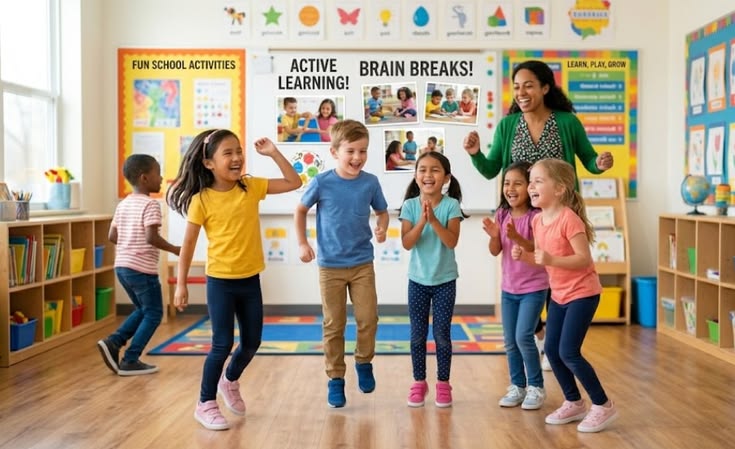
One of the things that becomes clear over an eight-week cycle is how individual children change. A child who arrives in week one barely willing to answer a direct question will, by week six or seven, be volunteering opinions, asking the teacher questions back, and taking the lead in group discussions. That change happens because small group English classes for kids in Hua Hin create enough repetition of positive speaking experiences to shift something fundamental in how a child feels about using English.
Cambridge Assessment English research on young learner confidence shows that sustained exposure to low-pressure, high-participation speaking environments produces measurable gains in willingness to communicate over relatively short periods. Eight weeks is enough time to see real change when the conditions are right — and in a class of eight children with two dedicated teachers, the conditions are always right.
You can find out more about how the programme works on the Disney English Club page and explore the full range of ILC programmes for children on the English Explorers page.
How to Secure One of Eight Places
Because every class is limited to eight children, places fill up quickly — particularly for the Saturday sessions and the opening cycle of each year. Sessions are available after school during the week and on Saturdays, and you choose the day that works for your family when you apply.
The ILC Hua Hin page has full details of what is available and when the next cycle begins. When you are ready to apply, the pre-application form is the place to start.
Research on storytelling and language acquisition confirms that small group English classes for kids in Hua Hin built around narrative and genuine communicative purpose produce faster and more durable gains than any other approach available for this age group. Eight places per class. That limit is the product.