
Why Disney Characters Make English Learning for Kids More Effective
How to make English Learning for Kids More Effective? Open almost any English textbook designed for young learners and you will find the same thing. A cartoon character with a name like Tim or Lucy. A family standing in front of a house. A vocabulary list at the bottom of the page. The exercises are logical. The grammar progression makes sense on paper. And for a huge number of children, it produces almost no desire to actually speak English.
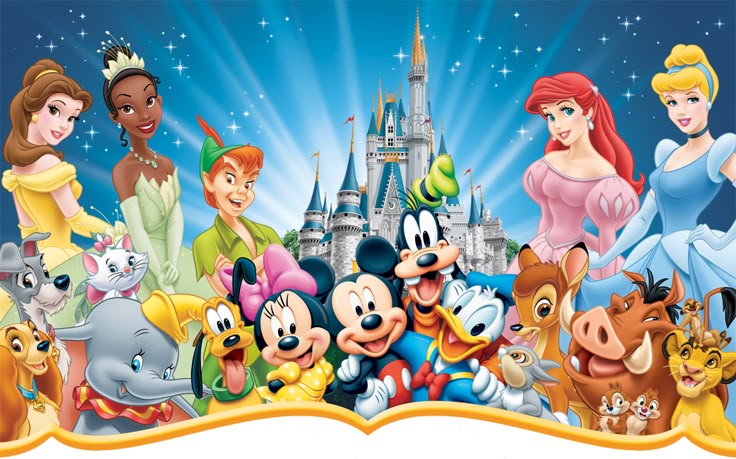
The problem is not the content. The problem is the relationship. A child has no relationship with Tim or Lucy. They do not care what happens to them. They will not go home thinking about them, talking about them with their parents, or asking to hear more of their story. English learning for kids in Hua Hin works better through Disney characters for precisely the opposite reason — children already have a powerful emotional relationship with Elsa, Simba, Woody, and Nemo before they ever walk into a classroom.
These are not neutral teaching aids. They are characters that children have watched, loved, worried about, and cheered for. That emotional connection is not a distraction from learning. It is the engine of it, and every session at Disney English Club is built around using that engine as deliberately and effectively as possible.
Why Emotional Engagement Changes What Children Are Willing to Do
There is a concept in language acquisition research called the affective filter — the idea that a learner’s emotional state has a direct impact on how much language they are able to absorb and produce. When a child feels anxious, bored, or disconnected, the filter goes up and language acquisition slows down. When a child feels excited, safe, and genuinely interested in what is happening, the filter comes down and learning accelerates.
English learning for kids in Hua Hin at Disney English Club creates the conditions for a low affective filter almost automatically. A child who is talking about what Simba should have done differently, or arguing about whether Elsa was right to leave Arendelle, is not thinking about whether their grammar is correct. They are thinking about the story. The language comes because the story demands it, and the emotional investment makes that demand feel exciting rather than frightening.
Voice 21’s research on oracy and engagement confirms that children speak more, speak more fluently, and take more linguistic risks when they are genuinely invested in what they are talking about. Disney characters provide that investment in every single session, without any need to manufacture it.
What a Textbook Cannot Do
A textbook can introduce vocabulary. It can explain grammar rules. It can provide a structured progression from one level to the next. What it cannot do — what no textbook has ever been able to do — is make a child want to speak. It cannot create a moment where a six-year-old forgets to be nervous because she is too busy telling you why Moana was braver than anyone expected. It cannot generate the kind of argument between eight children that produces complex, motivated, genuinely communicative language.
English learning for kids in Hua Hin through Disney characters works because stories create natural speaking opportunities that no exercise can replicate. When children are asked to describe a character, predict what they will do next, explain why they made a choice, or act out a key scene, they are performing complex communicative tasks — tasks that require vocabulary, sentence construction, listening, and turn-taking — without ever feeling like they are doing a lesson.
The British Council’s framework for young learner English identifies authentic communicative purpose as one of the most important factors in early speaking development. Disney stories provide that purpose in every session, naturally and without effort.
Characters That Children Already Know How to Talk About
One of the practical advantages of English learning for kids in Hua Hin through Disney is that children arrive already knowing the story. They do not need to be introduced to the world. They do not need to spend half the session understanding the context. They can move straight into speaking because the emotional groundwork was already done at home, in the cinema, or on a screen they have watched a hundred times.
This is particularly valuable for children who are shy or hesitant in English. A child who might freeze if asked to talk about an unfamiliar topic will often speak freely about a Disney character they love. The familiarity reduces the anxiety. The love for the character overrides the fear of making a mistake. At Disney English Club, the lead teacher and classroom assistant use this dynamic deliberately, drawing out children who would otherwise stay quiet by finding the character or the story moment that unlocks them.
You can read more about how the programme approaches speaking confidence on the English Explorers page.
A New Character Every Week
One of the features that makes English learning for kids in Hua Hin at Disney English Club different from a standard after-school programme is that the story changes every week. A new Disney film, a new set of characters, a new world to explore through speaking activities, games, role play, and partner work. Children are never going over the same ground, and they arrive each week genuinely curious about what is coming.
Research on storytelling and language acquisition shows that repeated exposure to varied narrative contexts accelerates vocabulary development significantly faster than repeated exposure to the same material. A new character every week is not just more engaging — it is more effective, and the results are visible over the course of a single eight-week cycle.
To find out more about English learning for kids in Hua Hin at Disney English Club, visit the ILC Hua Hin page or complete the pre-application form to secure a place for your child. Cambridge Assessment English research confirms that engagement drives outcomes — and Disney characters deliver engagement that no textbook can match.