



Stay with us in Hua Hin

Learn English through football

Speaking Skills (Ages 6–8)

Fluency Skills (Ages 9–12)
How The Lion King Builds Speaking Confidence in Young English Learners There is a moment in The Lion King that almost every child remembers. Simba, alone, hears his father's voice telling him to remember who he is. It is a moment about identity, courage, and finding your voice when everything in you wants to stay silent. It is also, as it turns out, one of the most powerful entry points into a conversation about speaking confidence in young English learners in Hua Hin that a teacher could possibly find. The Lion King works in a language classroom not just because the characters are vivid and the story is dramatic, but because its central themes — courage, finding your voice, speaking up even when you are afraid — mirror exactly what a young English learner faces every time they open their mouth in a language that does not yet feel like their own. Simba's story is, in the most direct sense, their story. And that recognition changes what children are willing to do in the classroom. Why Simba's Journey Resonates With Young Learners A six-year-old who is afraid to speak English and a young lion cub who is afraid to return to Pride Rock have more in common than you might expect. Both are avoiding something that feels too big. Both are waiting for a moment when it will feel safe enough to try. Both have been told, in different ways, that they are not ready. When a child is asked why Simba ran away, or what they think he should have done differently, or what they would say to him if they could, they are not answering abstract questions. They are drawing on genuine emotional understanding to construct real sentences. The language comes because the feeling is real, and speaking confidence in young English learners in Hua Hin develops fastest when the emotional stakes are genuine. Voice 21's research on oracy and emotional engagement shows that children who are emotionally invested in a topic produce significantly more complex and fluent language than children responding to neutral prompts. The Lion King provides that investment automatically, in every child who has ever seen the film. The Supporting Characters and What They Offer One of the strengths of The Lion King as a teaching resource is that the supporting characters each offer a different model of communication. Timon and Pumbaa are funny, spontaneous, and entirely unafraid of getting things wrong — qualities that a nervous English learner needs to see modelled by characters they admire. Mufasa speaks with authority and warmth. Nala is direct and purposeful. Scar is persuasive and calculating, which opens up a fascinating conversation about how the same language can be used in completely different ways. In a Disney English Club session, children have multiple character perspectives to explore and argue about. They can debate whose side they are on, defend a character's choices, and respond to each other's reasoning. That argumentative engagement — the willingness to defend a position and respond to a counterargument — is exactly the kind of speaking practice that builds real communicative competence, and it develops speaking confidence in young English learners in Hua Hin far faster than any drill-based approach. The British Council's young learner resources identify perspective-taking and character analysis as particularly effective tools for generating authentic spoken language in children aged 6–8. The Lion King offers both in abundance and gives children strong enough feelings about the characters to make the arguments genuine. From Story to Speaking Activity In a Disney English Club session focused on The Lion King, the story is not just watched or read — it is actively used as the raw material for every speaking activity. Children might be asked to describe Simba using three words and explain their choices to the group. They might work in pairs to retell a key scene in their own words. They might hold a conversation between Simba and Mufasa using character cards. Each of these activities requires a different type of speaking. Description requires vocabulary and observation. Retelling requires sequencing and narrative construction. Character dialogue requires turn-taking, listening, and the ability to respond to what the other person actually said. Over the course of a single session, a child practises all three without the session ever feeling like a series of separate exercises. Cambridge Assessment English research on task-based language learning shows that activities with genuine communicative purpose produce faster and more durable language gains than drill-based approaches. Developing speaking confidence in young English learners in Hua Hin through The Lion King puts that research into practice every week. What Parents Notice After a Lion King Session Parents frequently tell us that their child comes home from a Lion King session still talking. Not about the English — about the story. They want to discuss whether Scar was truly evil or simply jealous. They want to know what their parents think Simba should have done. They want to retell the ending to anyone who will listen, and they do it in English because that is the language the session happened in. That spillover — the way the conversation continues at home without anyone planning it — is one of the most reliable signs that speaking confidence in young English learners in Hua Hin is developing the way it should. Language that carries on outside the classroom is language that is being genuinely acquired. You can read more about how individual Disney stories drive speaking development throughout the programme on the English Explorers page and find full details on the ILC Hua Hin page. To secure a place, complete the pre-application form. Research on storytelling and language acquisition confirms that narrative-based speaking activities produce richer, more varied language output than any task-based exercise disconnected from story. The Lion King is one of the most powerful stories available for developing speaking confidence in young English learners in Hua Hin — and Disney English Club uses it to its full potential.
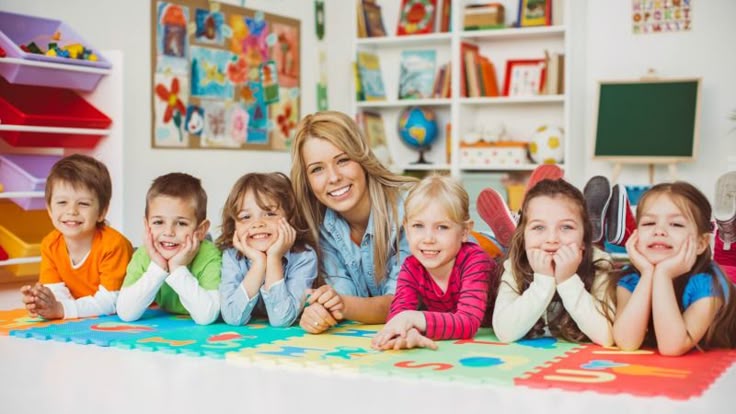
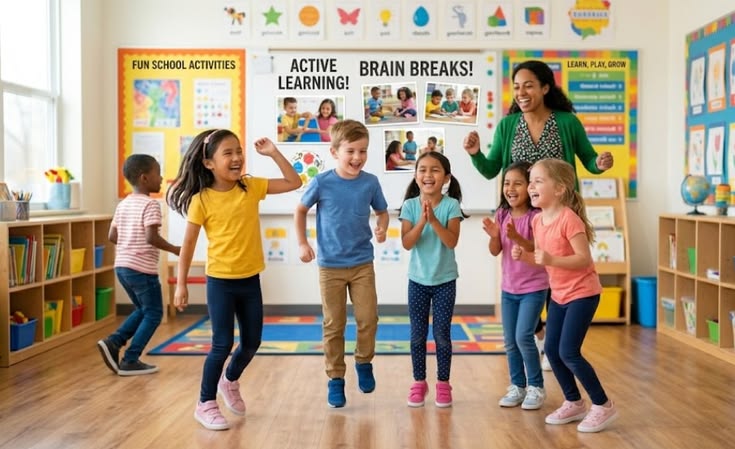
How Speaking Confidence in Young English Learners in Hua Hin Grows

How The Lion King Builds Speaking Confidence in Young English Learners
There is a moment in The Lion King that almost every child remembers. Simba, alone, hears his father's voice telling him to remember who he is. It is a moment about identity, courage, and finding your voice when everything in you wants to stay silent. It is also, as it turns out, one of the most powerful entry points into a conversation about speaking confidence in young English learners in Hua Hin that a teacher could possibly find.
The Lion King works in a language classroom not just because the characters are vivid and the story is dramatic, but because its central themes — courage, finding your voice, speaking up even when you are afraid — mirror exactly what a young English learner faces every time they open their mouth in a language that does not yet feel like their own. Simba's story is, in the most direct sense, their story. And that recognition changes what children are willing to do in the classroom.
Why Simba's Journey Resonates With Young Learners
A six-year-old who is afraid to speak English and a young lion cub who is afraid to return to Pride Rock have more in common than you might expect. Both are avoiding something that feels too big. Both are waiting for a moment when it will feel safe enough to try. Both have been told, in different ways, that they are not ready.
When a child is asked why Simba ran away, or what they think he should have done differently, or what they would say to him if they could, they are not answering abstract questions. They are drawing on genuine emotional understanding to construct real sentences. The language comes because the feeling is real, and speaking confidence in young English learners in Hua Hin develops fastest when the emotional stakes are genuine.
Voice 21's research on oracy and emotional engagement shows that children who are emotionally invested in a topic produce significantly more complex and fluent language than children responding to neutral prompts. The Lion King provides that investment automatically, in every child who has ever seen the film.
The Supporting Characters and What They Offer
One of the strengths of The Lion King as a teaching resource is that the supporting characters each offer a different model of communication. Timon and Pumbaa are funny, spontaneous, and entirely unafraid of getting things wrong — qualities that a nervous English learner needs to see modelled by characters they admire. Mufasa speaks with authority and warmth. Nala is direct and purposeful. Scar is persuasive and calculating, which opens up a fascinating conversation about how the same language can be used in completely different ways.
In a Disney English Club session, children have multiple character perspectives to explore and argue about. They can debate whose side they are on, defend a character's choices, and respond to each other's reasoning. That argumentative engagement — the willingness to defend a position and respond to a counterargument — is exactly the kind of speaking practice that builds real communicative competence, and it develops speaking confidence in young English learners in Hua Hin far faster than any drill-based approach.
The British Council's young learner resources identify perspective-taking and character analysis as particularly effective tools for generating authentic spoken language in children aged 6–8. The Lion King offers both in abundance and gives children strong enough feelings about the characters to make the arguments genuine.
From Story to Speaking Activity
In a Disney English Club session focused on The Lion King, the story is not just watched or read — it is actively used as the raw material for every speaking activity. Children might be asked to describe Simba using three words and explain their choices to the group. They might work in pairs to retell a key scene in their own words. They might hold a conversation between Simba and Mufasa using character cards.
Each of these activities requires a different type of speaking. Description requires vocabulary and observation. Retelling requires sequencing and narrative construction. Character dialogue requires turn-taking, listening, and the ability to respond to what the other person actually said. Over the course of a single session, a child practises all three without the session ever feeling like a series of separate exercises.
Cambridge Assessment English research on task-based language learning shows that activities with genuine communicative purpose produce faster and more durable language gains than drill-based approaches. Developing speaking confidence in young English learners in Hua Hin through The Lion King puts that research into practice every week.
What Parents Notice After a Lion King Session
Parents frequently tell us that their child comes home from a Lion King session still talking. Not about the English — about the story. They want to discuss whether Scar was truly evil or simply jealous. They want to know what their parents think Simba should have done. They want to retell the ending to anyone who will listen, and they do it in English because that is the language the session happened in.
That spillover — the way the conversation continues at home without anyone planning it — is one of the most reliable signs that speaking confidence in young English learners in Hua Hin is developing the way it should. Language that carries on outside the classroom is language that is being genuinely acquired.
You can read more about how individual Disney stories drive speaking development throughout the programme on the English Explorers page and find full details on the ILC Hua Hin page. To secure a place, complete the pre-application form.
Research on storytelling and language acquisition confirms that narrative-based speaking activities produce richer, more varied language output than any task-based exercise disconnected from story. The Lion King is one of the most powerful stories available for developing speaking confidence in young English learners in Hua Hin — and Disney English Club uses it to its full potential.
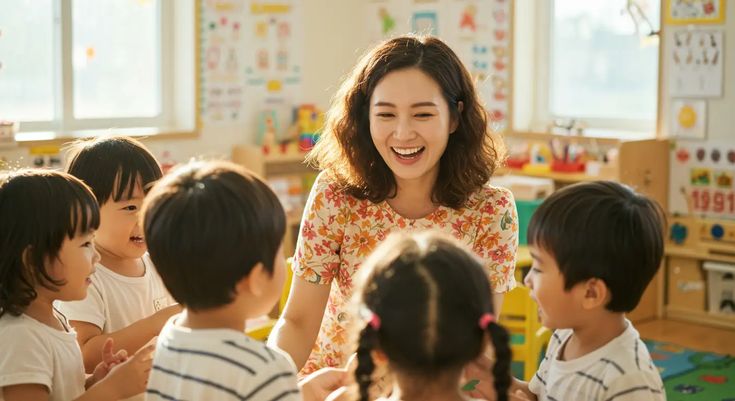
How The Lion King Builds Speaking Confidence in Young English Learners

There is a moment in The Lion King that almost every child remembers. Simba, alone, hears his father’s voice telling him to remember who he is. It is a moment about identity, courage, and finding your voice when everything in you wants to stay silent. It is also, as it turns out, one of the most powerful entry points into a conversation about speaking confidence in young English learners in Hua Hin that a teacher could possibly find.

The Lion King works in a language classroom not just because the characters are vivid and the story is dramatic, but because its central themes — courage, finding your voice, speaking up even when you are afraid — mirror exactly what a young English learner faces every time they open their mouth in a language that does not yet feel like their own. Simba’s story is, in the most direct sense, their story. And that recognition changes what children are willing to do in the classroom.

Why Simba’s Journey Resonates With Young Learners

A six-year-old who is afraid to speak English and a young lion cub who is afraid to return to Pride Rock have more in common than you might expect. Both are avoiding something that feels too big. Both are waiting for a moment when it will feel safe enough to try. Both have been told, in different ways, that they are not ready.

When a child is asked why Simba ran away, or what they think he should have done differently, or what they would say to him if they could, they are not answering abstract questions. They are drawing on genuine emotional understanding to construct real sentences. The language comes because the feeling is real, and speaking confidence in young English learners in Hua Hin develops fastest when the emotional stakes are genuine.

Voice 21’s research on oracy and emotional engagement shows that children who are emotionally invested in a topic produce significantly more complex and fluent language than children responding to neutral prompts. The Lion King provides that investment automatically, in every child who has ever seen the film.

The Supporting Characters and What They Offer

One of the strengths of The Lion King as a teaching resource is that the supporting characters each offer a different model of communication. Timon and Pumbaa are funny, spontaneous, and entirely unafraid of getting things wrong — qualities that a nervous English learner needs to see modelled by characters they admire. Mufasa speaks with authority and warmth. Nala is direct and purposeful. Scar is persuasive and calculating, which opens up a fascinating conversation about how the same language can be used in completely different ways.

In a Disney English Club session, children have multiple character perspectives to explore and argue about. They can debate whose side they are on, defend a character’s choices, and respond to each other’s reasoning. That argumentative engagement — the willingness to defend a position and respond to a counterargument — is exactly the kind of speaking practice that builds real communicative competence, and it develops speaking confidence in young English learners in Hua Hin far faster than any drill-based approach.

The British Council’s young learner resources identify perspective-taking and character analysis as particularly effective tools for generating authentic spoken language in children aged 6–8. The Lion King offers both in abundance and gives children strong enough feelings about the characters to make the arguments genuine.

From Story to Speaking Activity

In a Disney English Club session focused on The Lion King, the story is not just watched or read — it is actively used as the raw material for every speaking activity. Children might be asked to describe Simba using three words and explain their choices to the group. They might work in pairs to retell a key scene in their own words. They might hold a conversation between Simba and Mufasa using character cards.

Each of these activities requires a different type of speaking. Description requires vocabulary and observation. Retelling requires sequencing and narrative construction. Character dialogue requires turn-taking, listening, and the ability to respond to what the other person actually said. Over the course of a single session, a child practises all three without the session ever feeling like a series of separate exercises.

Cambridge Assessment English research on task-based language learning shows that activities with genuine communicative purpose produce faster and more durable language gains than drill-based approaches. Developing speaking confidence in young English learners in Hua Hin through The Lion King puts that research into practice every week.

What Parents Notice After a Lion King Session

Parents frequently tell us that their child comes home from a Lion King session still talking. Not about the English — about the story. They want to discuss whether Scar was truly evil or simply jealous. They want to know what their parents think Simba should have done. They want to retell the ending to anyone who will listen, and they do it in English because that is the language the session happened in.

That spillover — the way the conversation continues at home without anyone planning it — is one of the most reliable signs that speaking confidence in young English learners in Hua Hin is developing the way it should. Language that carries on outside the classroom is language that is being genuinely acquired.

You can read more about how individual Disney stories drive speaking development throughout the programme on the English Explorers page and find full details on the ILC Hua Hin page. To secure a place, complete the pre-application form.

Research on storytelling and language acquisition confirms that narrative-based speaking activities produce richer, more varied language output than any task-based exercise disconnected from story. The Lion King is one of the most powerful stories available for developing speaking confidence in young English learners in Hua Hin — and Disney English Club uses it to its full potential.

Scroll to Top