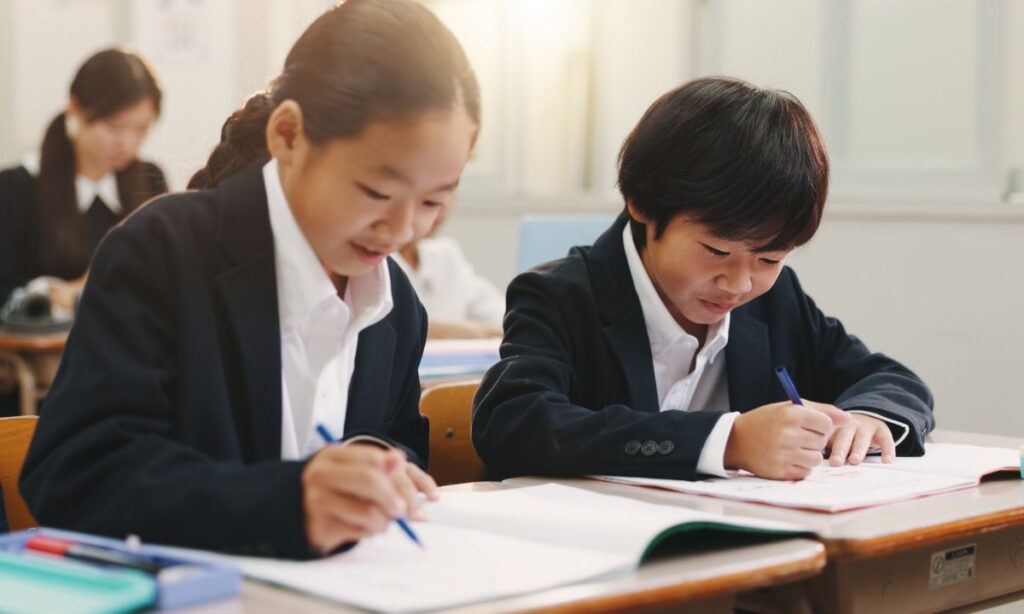


Residential School Trip in Thailand
There is a difference between a school trip and a residential learning experience. A school trip gives students an experience. A well-designed residential school trip in Thailand gives them an environment — one in which learning is continuous, English is the required language, and every day builds on the one before. The distinction matters enormously when schools are accounting for the cost, the time away from regular study, and the expectations of parents who want to know exactly what their children gained from the experience.
At ILC Hua Hin, in partnership with Dragon Study Tours, every residential programme is built around that distinction. Students do not come to Hua Hin for a trip. They come for a structured, immersive language experience that produces outcomes they and their school can point to.
The Residential Advantage: Why Days Away Matter More Than Hours
Weekly English lessons accumulate slowly. A student who attends two English lessons a week for a month receives perhaps eight hours of instruction. A residential programme at ILC Hua Hin delivers not just instructional hours but an entire language environment — meals, activities, social time, and structured sessions all conducted in English across multiple consecutive days.
The compounding effect of this is significant. Language absorbed in the morning is practised over lunch, reinforced in the afternoon, and consolidated through peer conversation in the evening. There is no daily reset — no return to a Thai-speaking home environment that interrupts the accumulation of communicative experience. Students who spend three or four days in this environment consistently make gains that would take weeks of weekly lessons to approach.
Five Residential Programmes to Choose From
The right programme for a residential school trip in Thailand depends on the school’s objectives and the students’ age, ability, and learning style.
The Residential English Tours programme is the most comprehensive option — a full-immersion residential stay designed to develop broad communicative ability across all aspects of spoken English. It suits schools who want a thorough, multi-dimensional language experience for their group.
The Premier Skills Camp adds a sport dimension that transforms the experience for football-motivated students. Professional coaching in English creates genuine communicative motivation, and the physical activity makes the residential programme feel energising rather than purely academic.
For schools whose students struggle specifically with spoken communication, the Residential English Speaking Campconcentrates the entire residential experience on fluency and confidence — producing targeted gains in the area Thai students find most difficult.
Secondary students approaching examinations benefit most from the Residential IELTS Course, while schools seeking a formally certified communication outcome should consider the Trinity Communication Skills programme.
What Parents and School Directors Need to Know About Safety
A residential school trip places students in the care of an external organisation, often for the first time. The questions parents ask — and the questions school directors should be asking on their behalf — centre on supervision, accommodation security, and what happens when something goes wrong.
Dragon Study Tours manages all residential welfare for ILC Hua Hin’s programmes. That means 24/7 supervision by qualified staff, secure accommodation, clearly established safeguarding procedures, and a daily timetable designed to account for every student at every point. Schools can review the complete welfare framework at Dragon Study Tours and confirm that all programmes are aligned with British Council quality standards before any booking is confirmed.
When Students Return: What Schools Actually See
The outcomes of a residential language trip are visible quickly. Students who have spent several days communicating exclusively in English return with a different relationship to the language. They volunteer to speak where they previously waited. They attempt sentences where they previously stayed silent. They make mistakes more comfortably, because they have spent days in an environment where mistakes were the route to communication rather than a source of embarrassment.
These changes are not dramatic in every student — but they are consistent, and they are the direct result of what the residential format provides that no classroom can replicate.
Speak to our team to discuss what a residential school trip in Thailand could look like for your group. Or follow us on Facebook to see what other schools have experienced.