

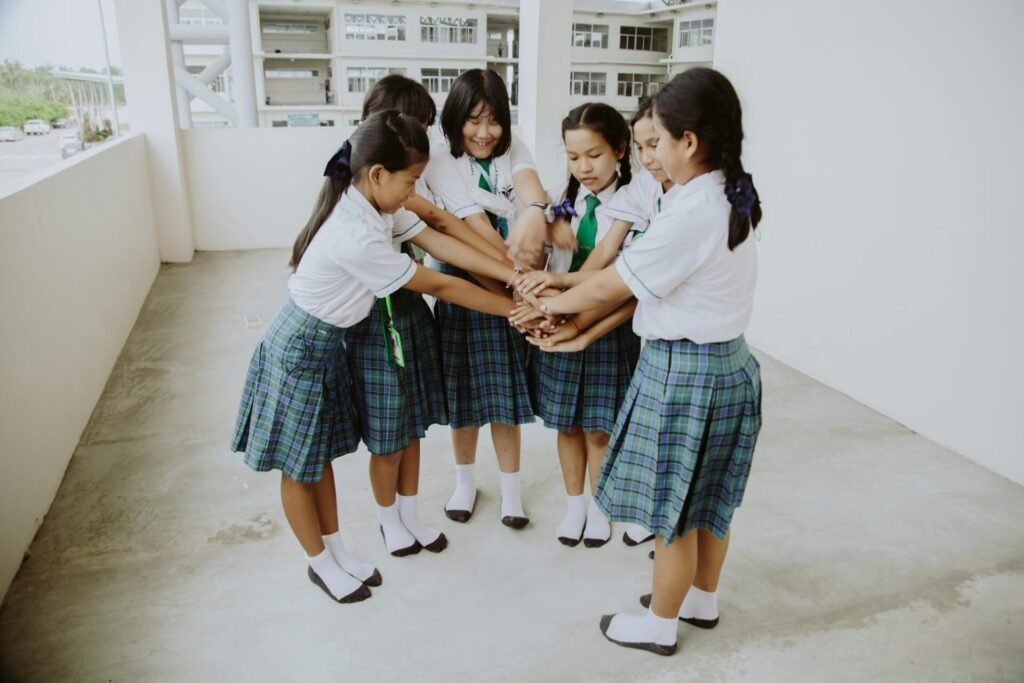
Cambridge Flyers Holiday Camp
School holidays in Thailand create a specific set of conditions for language learning that the term-time calendar does not — and those conditions are, for a residential English speaking programme, almost entirely favourable. M1 students in the holiday period are free from the social pressures of secondary school performance, released from the anxiety of formal assessment, and — critically — in a mindset of experience rather than study. A Cambridge Flyers holiday camp in Thailand that channels this holiday mindset into structured, purposeful English speaking development does something that term-time programmes find harder to achieve: it makes English feel like something students are choosing to engage with, rather than something that has been imposed on them. At ILC Hua Hin, the holiday residential speaking camp for M1 students uses this advantage deliberately, combining Cambridge Flyers morning sessions with an afternoon cultural programme that uses Hua Hin’s landmarks as the activity and the English lesson simultaneously.
Why the Holiday Mindset Helps
The specific gift that school holidays give to a residential speaking programme is reduced speaking anxiety. In a secondary school classroom, speaking English in front of classmates carries real social stakes — mistakes are visible, judgements are made, and the social consequences of getting something wrong are felt in the following day’s school environment. During a holiday residential programme, these stakes are substantially lower. Students are away from school, in a different social context, with a group identity defined by the programme rather than by school hierarchies. The M1 students who arrive at the Cambridge Flyers holiday camp in Thailand on the first day are already in a more communicatively open state than the same students would be in a term-time classroom.
The native English teacher builds on this holiday openness from the first session — creating a communicative environment that rewards attempt rather than accuracy, that generates success rather than correction, and that makes speaking English feel like participation in something interesting rather than performance in something assessed.
The Full-Week Holiday Programme
The most effective format for the Cambridge Flyers holiday camp in Thailand is the full week — five days that allow the residential immersion model to work through its full arc from arrival to confident production. Day one establishes the English-speaking environment and introduces the Cambridge Flyers syllabus content through accessible, supported speaking tasks. Days two and three push the content and the speaking demands progressively, with afternoon excursions to Hua Hin’s railway station and Khao Takiab providing the real-world communicative contexts that reinforce the morning sessions.
Days four and five are where the holiday programme produces its most visible outcomes. Students who arrived in a holiday mindset — open but not focused — have been shaped by four days of structured immersion into something more specific: communicatively willing, Flyers-level confident, and genuinely engaged with the English of the programme in a way that the final days consolidate and demonstrate.
The Afternoon Cultural Programme in the Holiday Format
The afternoon cultural programme is particularly well suited to the holiday format because the more relaxed, exploratory character of the afternoon visits aligns naturally with the holiday mindset that M1 students bring. Plearn Wan vintage village, the Cicada Market, Wat Huay Mongkol, and Hua Hin Beach are all destinations that students genuinely want to visit — which means the communicative work the native teacher structures around each visit is driven by genuine engagement rather than academic compliance.
At Plearn Wan, students discuss Thai cultural history and compare the vintage setting to modern life — using the Cambridge Flyers comparison and opinion structures the morning sessions have developed. At the Cicada Market, they attempt real transactional English in a genuinely interesting market environment. At Wat Huay Mongkol, they engage with descriptive and reflective English about the temple’s significance and what they observe. At Hua Hin Beach, they produce the informal narrative and conversational English that rounds off the afternoon and consolidates the day’s development.
The ESB Framework in the Holiday Programme
The English Speaking Board materials used in the Cambridge Flyers holiday camp in Thailand are particularly effective in the holiday format because the ESB’s approach to speaking development — progressive, scaffolded, building towards independent production — aligns naturally with the arc of a five-day residential programme. Students arrive at day one with the supports the ESB approach provides and leave day five needing fewer of them, because the programme has built the communicative independence that the Flyers assessment ultimately requires.
ILC Hua Hin provides 24/7 supervision throughout the holiday programme — the same welfare standards as term-time, because the safety requirements of M1 students do not change with the calendar. Full safeguarding details are available before any booking is confirmed.
The British Council’s young learner guidance and Cambridge’s parent resources provide useful context for communicating the holiday programme’s value to parents. Use the ILC Hua Hin English level test to confirm your M1 group is at the right level before booking.
Find out more about the Residential English Speaking Camp at ILC Hua Hin and how the holiday format works, or explore the Residential English Tours as a broader alternative. Speak to our team to discuss holiday availability, rates, and what a Cambridge Flyers holiday camp in Thailand would deliver for your M1 students.