
How Kagawa Learned English
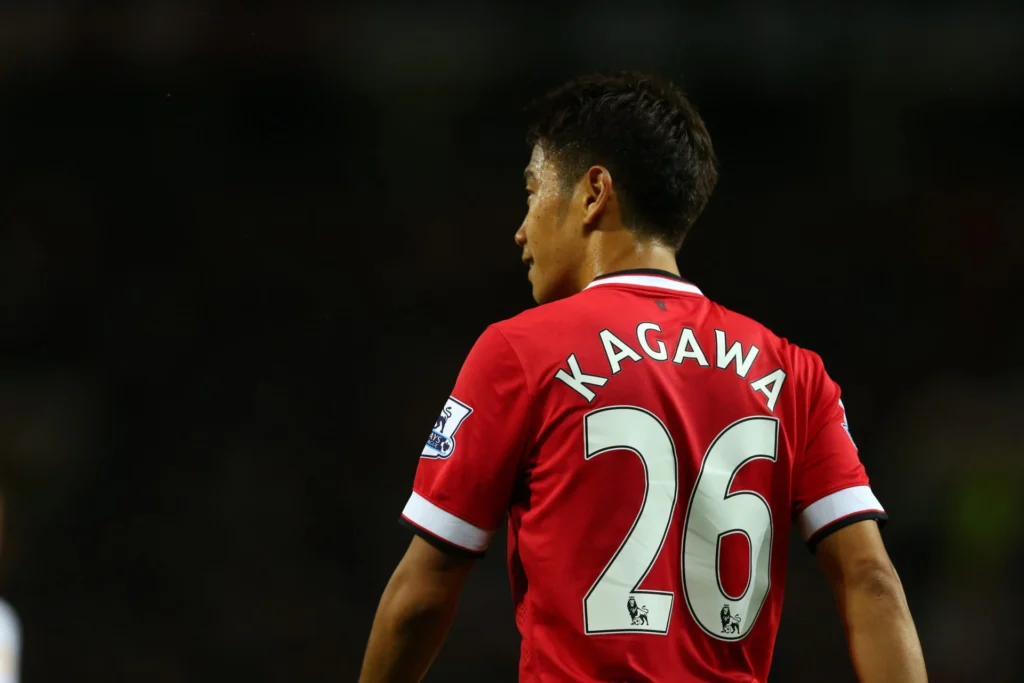
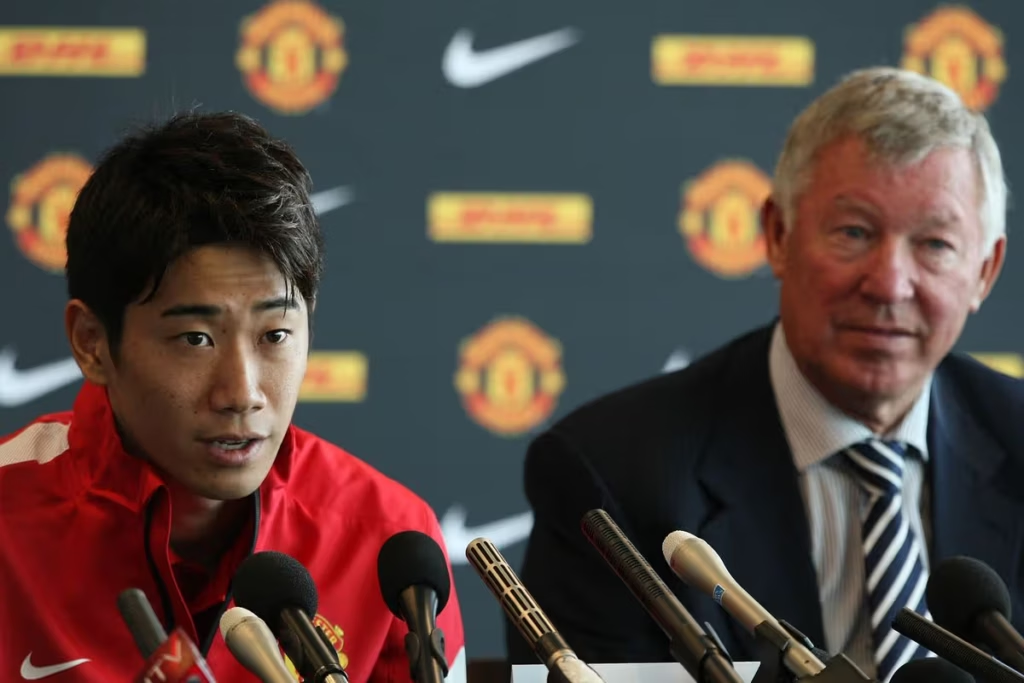
How Kagawa learned English is one of the most poignant stories in Premier League history, not because the learning failed but because it did not happen fast enough to protect him when the context around him changed dramatically. Kagawa arrived at Manchester United from Borussia Dortmund in 2012 speaking Japanese and basic German, with no English at all. How Kagawa learned English was being built through club language classes and translator support, and for one glorious season under Sir Alex Ferguson he was valued, effectively deployed and part of a league-winning squad.
Ferguson retired in May 2013. David Moyes arrived. And how Kagawa learned English suddenly needed to be moving much faster than it was.
What Ferguson’s Management Made Possible
How Kagawa learned English was manageable under Ferguson because Ferguson was skilled at communicating across language barriers, understood precisely how to use Kagawa’s specific qualities within his system, and had the authority to give the Japanese midfielder the time and protection his transition required. Ferguson’s United had been integrating foreign players without strong English for decades, from Eric Cantona to Ruud van Nistelrooy to Ji-Sung Park, and the institutional understanding of how to manage that process was established and working.
Sky Sports documented Moyes’s defence of Kagawa’s limited playing time across the 2013-14 season, but the context made clear that something structural had shifted. How Kagawa learned English was not moving fast enough to bridge the gap that the managerial change had opened, and the combination of tactical misuse and linguistic isolation produced a player who looked nothing like the Dortmund midfielder Klopp had described as one of Europe’s best. Krashen’s research on language and cognitive processing identifies exactly this kind of comprehension delay as one of the most concrete costs of linguistic isolation in a high-speed professional environment.
The Dressing Room Politics He Could Not Navigate
How Kagawa learned English was also unable to keep pace with the social dynamics of a dressing room navigating significant turbulence simultaneously. Ferguson’s retirement, Rooney’s contract dispute, expensive new signings arriving, a new manager attempting to establish authority: all of these created social and political dynamics that required linguistic participation to navigate. A player who needed a translator for every significant exchange was necessarily peripheral to the culture being formed, not because anyone excluded him but because the language was simply not there to include him fully.
ESPN’s detailed analysis of the situation at United documented how the combination of factors produced a player who was visibly diminished from his Dortmund form. How Kagawa learned English was ongoing, but the institutional context had changed in ways that made the impact of that learning almost impossible to demonstrate in the time and space he was being given.
What Klopp Said And Why It Matters
The most telling external comment on how Kagawa learned English at United came from the man who understood him best. “He now plays 20 minutes at Manchester United on the left wing!” Klopp told a journalist during that second season. “My heart breaks.” IBTimes UK documented Kagawa’s own dignified response: “Tough times are continuing, but all I can do is work hard.”
How Kagawa learned English was still happening. The language was developing. But the situation had closed the windows through which that development could produce any tangible professional benefit. He could not demonstrate improved English in press conferences he was not being asked to give, or in dressing room conversations he was not being fully included in.
The Lesson That Gives Urgency To Every Other Story
How Kagawa learned English is the counter-example that makes every other story in this series more urgent. It shows concretely and publicly what is lost when language development does not happen fast enough: the ability to adapt when circumstances change, to advocate for yourself, to participate fully in the dynamics that determine whether a talent is recognised or overlooked. Premier Skills Sundays at ILC Hua Hin builds the English foundation that protects children from this situation in whatever professional or social context they eventually face. Full details are on the Premier Skills Sundays page.
Take the free English level test and book a consultation. For school groups, the Premier Skills Camp and ILC residential English tours are available. Contact ILC directly.