
M2 English Immersion Programme 202
The question of what full English immersion actually does to a secondary student’s language development is one that the research answers clearly and consistently — and the answer is that it depends entirely on the quality of the environment. Immersion in a poorly managed, poorly structured programme with a large group and an overworked teacher produces comfortable familiarity rather than genuine progress. Immersion in a well-managed, small-group programme with a native English teacher, a clear academic framework, and a daily activity programme that places the language in genuine real-world contexts produces something different: measurable, durable communicative development that M2 students carry back into secondary school and into the A2 Key for Schools assessment when it comes.
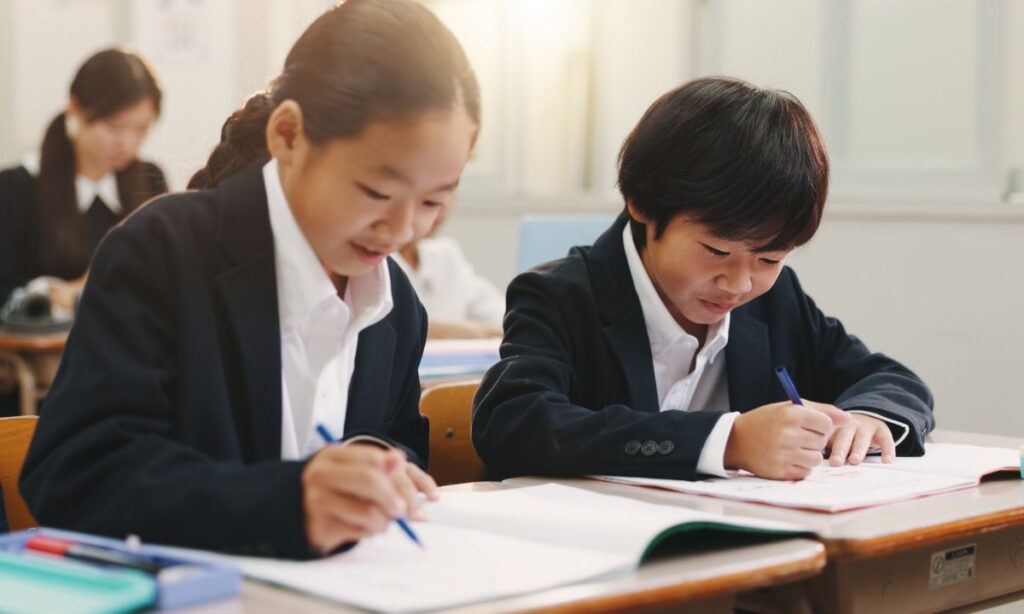
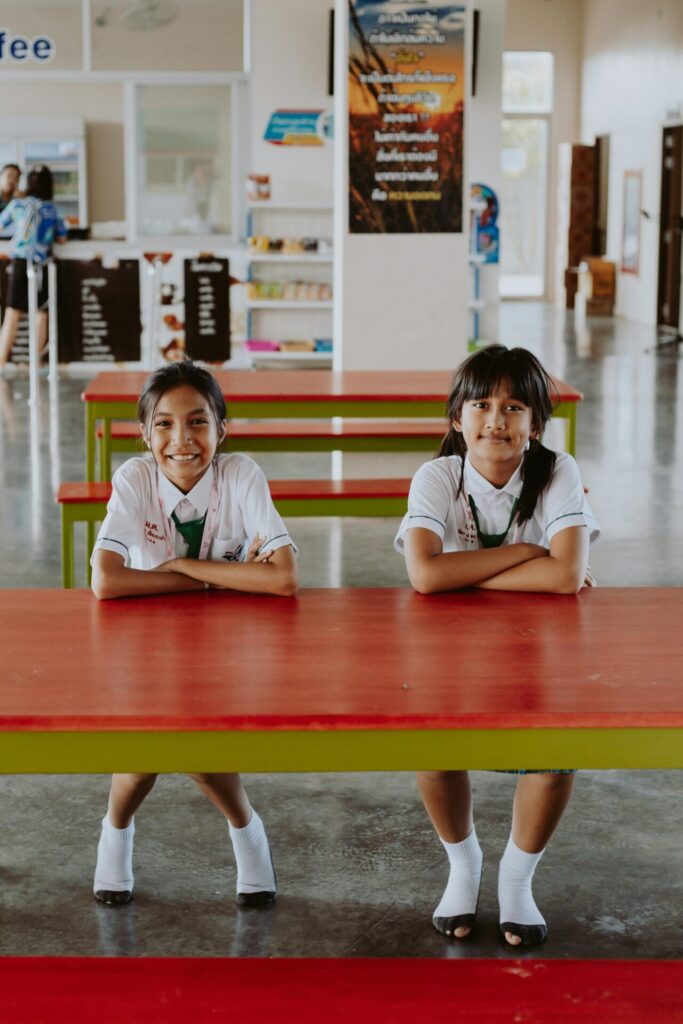
An M2 English immersion programme in Thailand at ILC Hua Hin is built on the second model. Three hours of morning instruction with a native teacher, no more than twelve students per session, the A2 Key for Schools syllabus as the academic backbone, and an afternoon programme that takes students to Hua Hin’s most interesting landmarks — each one chosen for its specific communicative value within the A2 Key framework.
The Three Components That Make Immersion Work
Genuine immersion in an M2 English immersion programme in Thailand requires three things working simultaneously. First, a native English teacher who creates an environment in which speaking English is both necessary and rewarding — where every attempt is met with genuine communicative engagement rather than correction, and where the sessions feel like conversations rather than tests. Second, a class size small enough that individual attention is real rather than aspirational — no more than twelve students means every student speaks every session and every error is addressed without waiting. Third, an environment outside the formal sessions that extends the English-speaking context rather than disrupting it — which is what the afternoon cultural programme in Hua Hin provides.
When all three operate together, the daily compounding that makes residential immersion so much more effective than weekly lessons reaches its full potential. The vocabulary from the morning session appears at lunch. The speaking structures from the afternoon’s visit appear in the evening’s activity. Wednesday morning begins from where Tuesday evening ended, and the progress is cumulative in a way that six days of classroom English separated by a weekend simply cannot replicate.
What the A2 Key for Schools Syllabus Provides
The A2 Key for Schools syllabus gives the M2 English immersion programme in Thailand its academic structure and ensures that what students are practising in sessions is not random but progressive. The vocabulary topics — travel, environment, food, sport, school, relationships, technology, and everyday life — provide the content of each day’s formal work. The grammar targets — past tenses, comparatives, modals, question forms — provide the linguistic tools that the native teacher weaves into the activities, conversations, and tasks that make up the three morning hours.
The A2 Key for Schools preparation resources that Cambridge provides underpin the structure of each session, ensuring that the programme connects to the examination’s specific requirements at every point.
The Afternoon: Hua Hin Night Market
The Hua Hin Night Market is one of the most atmospheric and most communicatively rich destinations in the afternoon programme of the M2 English immersion programme in Thailand. It is genuinely busy, genuinely varied, and genuinely interesting to M2 students in the way that structured classroom activities rarely manage to be. The market’s food stalls, clothing vendors, craft sellers, and the general organised chaos of a Thai night market provide a context in which English is genuinely useful and the motivation to use it is genuinely high.
The native teacher accompanies the group throughout the visit, facilitating the kind of spontaneous, responsive spoken English that the A2 Key for Schools assessment rewards. Students describe what they see, ask questions about what things are, express opinions about the food they are trying, and engage in the kind of natural transactional and social English that the morning session’s vocabulary — food, shopping, preferences, descriptions — has been building towards.
The experience of navigating a real market in English is not replicable in a classroom setting. The sensory richness of the environment, the genuine communicative stakes of the interactions, and the natural motivation that comes from being somewhere genuinely interesting all produce the kind of spontaneous English use that characterises the most memorable moments of the M2 English immersion programme in Thailand.
ILC Hua Hin provides 24/7 supervision for all residential and off-site elements of the immersion programme. Qualified staff accompany all cultural excursions and are present throughout the residential environment day and night. Full safeguarding details are available before any booking is confirmed.
The British Council’s framework for young learner English and Cambridge’s parent resources provide useful external context for communicating the programme’s quality to school management and parents.
Use the ILC Hua Hin English level test to confirm your M2 students are at the right level before booking.
Find out more about the Residential English Speaking Camp at ILC Hua Hin, or explore the Residential English Tours as an alternative. Speak to our team to discuss what an M2 English immersion programme in Thailand would look like for your school group.